

Oral and Dental Health During Pregnancy: What Expecting Moms Need to Know
Pregnancy brings many exciting changes, but it can also affect your oral health in ways you may not expect. Hormonal changes, morning sickness, and changes in eating habits can make your teeth and gums more sensitive and may increase the risk of gum inflammation, tooth decay, and other dental concerns.
The good news is that caring for your smile during pregnancy is both important and very achievable. With regular dental visits and simple daily habits, you can help protect your oral health and support your baby’s well-being, too.
In this guide, we’ll explain how pregnancy can affect your teeth and gums, why dental care matters during pregnancy, and what you can do to keep your mouth healthy throughout each stage.
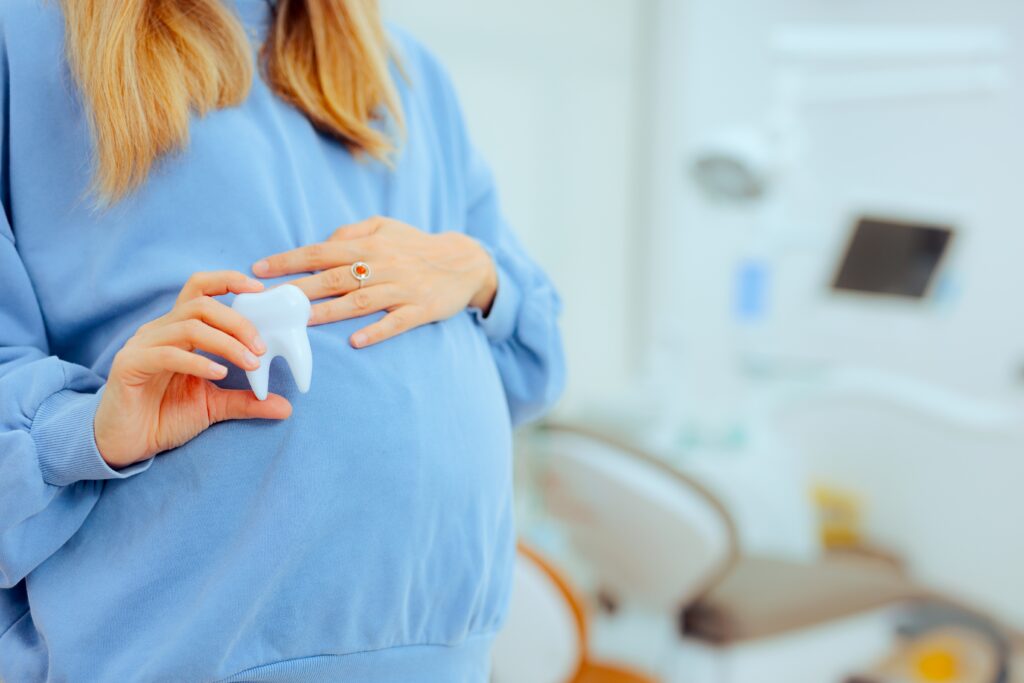
How Does Pregnancy Affect Your Oral Health?
During pregnancy, your body goes through many hormonal changes. As estrogen and progesterone levels rise, your gums may become more sensitive and more likely to react to plaque. This can make gum inflammation more common.
Pregnancy Gingivitis
Pregnancy gingivitis is one of the most common oral health concerns during pregnancy, affecting an estimated 60% to 75% of pregnancies in the U.S. While this can sound concerning, it is also very treatable with good oral hygiene and regular dental care.
Other common pregnancy gum issues include pyogenic granuloma, also called a pregnancy tumor, and worsened periodontitis.
Can Pregnancy Gingivitis Affect the Health of My Baby?
Slightly red or swollen gums do not directly harm your baby. However, if gingivitis is left untreated, it can progress into periodontitis, a more serious gum infection. Periodontitis can cause the gums to pull away from the teeth, creating pockets where bacteria can collect. Over time, this may lead to infection, loose teeth, or even tooth loss.
Research has also found an association between periodontal disease and certain pregnancy complications, including preterm birth and low birth weight. This does not mean every gum problem will lead to complications, but it does mean that caring for your gums is an important part of your overall health during pregnancy.
Pregnancy may also contribute to other oral health changes, including dry mouth, dental erosion, loose teeth, pregnancy granulomas, and a higher risk of tooth decay. Hormonal changes can directly affect your gums and may indirectly increase your risk of cavities.
Other Common Dental Problems While Pregnant
Tooth Pain During Pregnancy
Morning sickness can bring extra stomach acid into the mouth. Over time, this acid can wear away tooth enamel, which may lead to sensitivity, discomfort, or cavities.
Loose Teeth During Pregnancy
Hormonal changes can temporarily affect the tissues and bones that support your teeth. This may make teeth feel slightly loose. If you notice any looseness or shifting, contact your dentist.
Warning Signs to Look For
Call your dentist if you notice:
- A tooth that feels loose or shifts position.
- Sharp or dull pain when you chew food.
- Sensitivity to hot, cold, or sweet foods and drinks.
- Bad breath that does not go away after brushing.
- Pus or fluid coming from around a tooth or gum line.
Dental Care During Pregnancy
Regular dental checkups before and during pregnancy are an important part of protecting both your oral health and your baby’s health. We understand that keeping up with dental care can feel harder during pregnancy, especially if you are dealing with nausea, fatigue, or a busy schedule. Still, untreated cavities and gum problems can affect more than your smile.
Staying on top of dental care during pregnancy can help prevent problems, keep you more comfortable, and support a healthier start for your child.
Always tell your dentist if you are pregnant or trying to become pregnant. When your dental team knows you are expecting, they can take extra precautions and make sure your care is safe and comfortable for both you and your baby.
You can see the dentist at any stage of pregnancy. Many women find the second trimester most comfortable, after morning sickness has improved and before the later stages of pregnancy become more physically uncomfortable. It may also be easier to schedule dental visits before your baby arrives, since life with a newborn can get very busy.
FAQs About Oral Health During Pregnancy
Can You Go to the Dentist While Pregnant?
Yes! Regular dental care is important during pregnancy. Let your dentist know you’re pregnant so they can take appropriate precautions and help keep your visit safe and comfortable.
Can Pregnancy Cause Cavities?
Pregnancy doesn’t directly cause cavities, but changes like morning sickness, dry mouth, and eating habits may increase your risk of tooth decay. Regular brushing, flossing, and dental visits can help protect your teeth.
Is Tooth Pain During Pregnancy Normal?
Tooth pain isn’t considered a normal part of pregnancy. It may be caused by sensitivity, tooth decay, gum problems, or another dental concern. Persistent pain should be evaluated by your dentist.
Why Are My Gums Bleeding During Pregnancy?
Hormonal changes during pregnancy can make your gums more sensitive to plaque, leading to pregnancy gingivitis and bleeding gums. Good oral hygiene and regular dental cleanings can help.
When Should You See a Dentist During Pregnancy?
Keep up with regular dental visits and contact your dentist if you experience persistent pain, sensitivity, swollen or bleeding gums, bad breath, or other changes in your oral health.
Your Smiley Pearls Dental Team Is Here to Help
Your body changes in many ways during pregnancy, and changes in your gums are very common. If your gums are red, swollen, tender, or bleed when you brush, you are not alone.
Pregnancy gingivitis is common and highly treatable, but it should not be ignored. Without care, it can become more serious. If you notice symptoms, contact your Smiley Pearls dentist or your pregnancy care provider.
Good oral hygiene, gentle brushing and flossing, and a professional dental cleaning can make a big difference. In many cases, gums return to normal after your baby is born. Until then, we are here to help you feel cared for, comfortable, and supported every step of the way.