

Benefits of Mouthwash: Choosing the Right Mouth Rinse For You
Brushing twice a day and flossing daily are the foundation of a healthy oral hygiene routine, but mouthwash can offer additional benefits depending on the product you choose. The right mouth rinse may help freshen breath, prevent cavities, reduce plaque, support gum health, or address other specific oral health concerns.
With so many types of mouthwash available, however, choosing one isn’t always as simple as picking a flavor. Some mouthwashes simply freshen your breath, while others contain active ingredients designed to help reduce plaque, prevent cavities, control gingivitis, or address other oral health concerns.
Understanding the benefits of mouthwash, what’s in different types of rinses, and how to use them correctly can help you decide whether mouthwash deserves a place in your daily routine.
What Is Mouthwash?
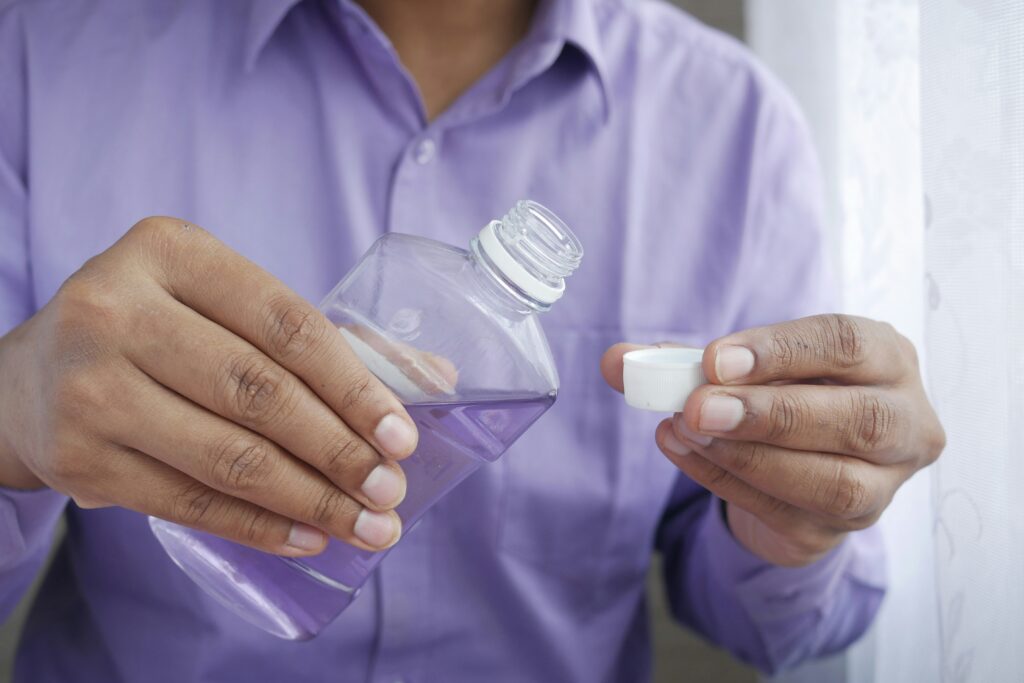
Mouthwash, also called mouth rinse, is a liquid oral hygiene product designed to be swished around the mouth and then spit out. Depending on the product, mouthwash may help freshen breath, reduce bacteria and plaque, prevent cavities, or support gum health.
Mouthwash is an addition to—not a replacement for—brushing and flossing. For the best oral health, continue brushing twice a day with fluoride toothpaste and cleaning between your teeth every day.
Types of Mouthwash
There are two general categories of mouthwash: cosmetic and therapeutic.
Cosmetic Mouthwash
Cosmetic mouthwashes are primarily designed to temporarily improve the smell or taste of your mouth. They may help mask bad breath, but they generally do not contain active ingredients intended to treat or prevent specific oral health conditions.
Therapeutic Mouthwash
Therapeutic mouthwashes contain active ingredients that provide additional oral health benefits. Depending on the formulation, therapeutic mouthwash may help control plaque, gingivitis, bad breath, tooth decay, or other oral health concerns.
Active ingredients found in therapeutic mouth rinses may include:
- Fluoride
- Cetylpyridinium chloride (CPC)
- Essential oils
- Chlorhexidine
- Peroxide
Some therapeutic mouthwashes are available over the counter, while others require a prescription. Your Smiley Pearls dentist can recommend a mouthwash based on your individual oral health needs.
What Are the Benefits of Mouthwash?
Adding the right mouth rinse to your oral hygiene routine may provide benefits beyond brushing and flossing. Depending on the ingredients in the product, potential benefits of mouthwash may include:
- Freshening breath: Mouthwashes help reduce or mask odor-causing bacteria, leaving your breath fresher.
- Helping prevent cavities: Fluoride mouthwash can provide additional fluoride to help strengthen tooth enamel and protect against tooth decay.
- Reducing plaque: Certain therapeutic mouthwashes can help reduce plaque buildup when used as directed.
- Supporting gum health: Mouth rinses can help reduce bacteria associated with gingivitis, an early form of gum disease.
- Helping with dry mouth: Certain mouthwashes are specifically formulated to provide relief for people experiencing dry mouth.
- Supporting oral sore relief: Specialized rinses may help soothe certain types of oral irritation or sores.
- Strengthening tooth enamel: Fluoride-containing mouthwash can help strengthen enamel and support the teeth’s natural remineralization process.
The benefits you receive depend on the type of mouthwash and its active ingredients. Not every mouthwash provides all of these benefits.
When Should You Use Mouthwash?
Using mouthwash properly can help you get the most benefit from the product. Always follow the instructions on the label, since directions can vary between products.
For many therapeutic mouthwashes, the basic steps include:
- Measure the recommended amount of mouthwash using the product’s measuring cup or cap.
- Pour the mouthwash into your mouth. Do not dilute it unless the product instructions specifically tell you to do so.
- Swish the mouthwash around your mouth for the recommended time, which may be around 30 seconds depending on the product.
- Spit the mouthwash into the sink. Do not swallow it.
- Follow the product instructions regarding whether to rinse with water afterward or to avoid eating and drinking for a certain period.
Children should use mouthwash only when recommended and under the supervision of a parent or dental professional, especially if there is a risk of swallowing it.
Is Mouthwash Necessary?
Mouthwash is not necessary for everyone. Brushing twice a day with fluoride toothpaste and cleaning between your teeth daily remain the foundation of good oral hygiene.
However, a dentist may recommend a specific mouth rinse if you have concerns such as frequent cavities, gingivitis, plaque buildup, bad breath, or dry mouth. The most appropriate mouthwash depends on your individual needs, so choosing a product based on its active ingredients is often more useful than choosing one based on flavor or brand.
Talk to Your Sachse Dentist About the Right Mouthwash
Mouthwash can be a useful addition to your daily oral hygiene routine, but it should not replace brushing or flossing. Choosing the right product can help you address specific oral health concerns while supporting your regular preventive care.
If you are unsure whether you should use mouthwash or which type is right for you, talk with your dentist. Your dental professional can evaluate your oral health and recommend an appropriate mouth rinse based on your needs.