

TMJ Awareness Month: Understanding TMJ Disorder, Symptoms, and Treatment Options
Jaw pain, frequent headaches, facial soreness, and even ear discomfort can sometimes point to an underlying issue with the temporomandibular joints. Although these symptoms are easy to overlook or attribute to everyday stress, they may signal a temporomandibular joint disorder (TMD).
November is National TMJ Awareness Month, making it a great time to learn more about these conditions, recognize common warning signs, and understand which treatments may restore comfort and improve jaw function.
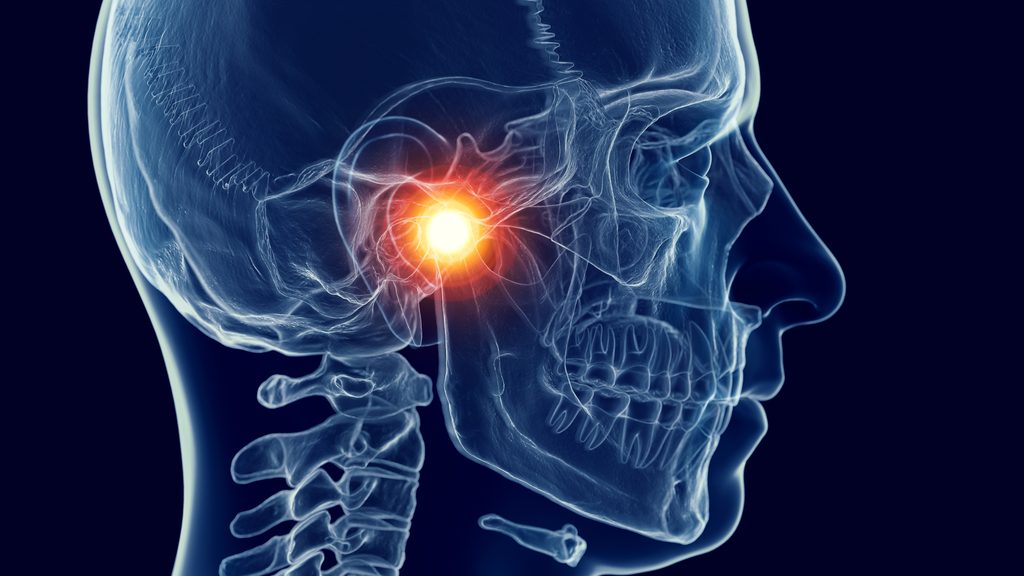
What Is TMJ Disorder?
The temporomandibular joints (TMJs) connect the lower jawbone to the skull, allowing the mouth to open, close, and move from side to side. These joints play an important role in everyday activities such as talking, chewing, yawning, and swallowing.
Temporomandibular joint disorders, commonly called TMJ disorders or TMD, are a group of conditions that affect the jaw joints, surrounding muscles, and supporting tissues. These disorders can cause inflammation, irritation, muscle tension, and difficulty moving the jaw comfortably.
Several factors may contribute to TMJ disorders, including:
- Teeth grinding and clenching: Repeatedly grinding or clenching the teeth can place excessive strain on the jaw muscles and joints.
- Stress and muscle tension: Stress may contribute to unconscious jaw clenching and increased muscle tightness.
- Jaw injuries: Trauma to the jaw or surrounding structures can affect joint function.
- Arthritis: Certain types of arthritis can affect the temporomandibular joints.
- Bite or jaw alignment concerns: Certain structural or functional issues may contribute to discomfort in some individuals.
Identifying the underlying cause is an important part of determining the most appropriate treatment.
How Are TMJ Disorders Diagnosed?
Because TMJ symptoms can overlap with other dental and medical conditions, a professional evaluation is important. A dentist can assess the jaw joints, surrounding muscles, bite, and teeth to help determine what may be contributing to the discomfort.
During an evaluation, the dentist may:
- Review symptoms, medical history, and possible contributing factors.
- Examine the jaw’s range of motion and check for tenderness.
- Listen for clicking, popping, or other joint sounds.
- Look for signs of teeth grinding, including worn enamel or damaged restorations.
- Evaluate the bite and surrounding muscles.
- Recommend imaging or additional evaluation when appropriate.
A thorough assessment helps distinguish between muscle-related discomfort, joint-related problems, and other potential causes of facial or jaw pain.
4 TMJ Disorder Treatment Options
TMJ treatment depends on the underlying cause, severity of symptoms, and individual needs. Many patients benefit from conservative approaches that reduce muscle tension, protect the teeth, and minimize unnecessary strain on the jaw joints.
1. Custom Nightguards and Oral Appliances
One common treatment for TMJ-related discomfort caused by teeth grinding or clenching is a custom-fitted nightguard or oral appliance.
Bruxism occurs when someone repeatedly clenches or grinds their teeth, often without realizing it. This habit can place excessive pressure on the teeth and jaw muscles, contributing to soreness, headaches, tooth sensitivity, and enamel wear.
A custom nightguard fits over the teeth and provides a protective barrier between the upper and lower arches. Although a nightguard does not necessarily stop the underlying grinding or clenching behavior, it can help protect the teeth from excessive wear and reduce the strain associated with repeated contact.
Custom-fitted mouthguards are designed to accommodate the individual’s bite, providing a more comfortable and secure fit than many over-the-counter options.
Our dentists at Smiley Pearls can evaluate whether a custom mouthguard may help protect the teeth and manage symptoms associated with bruxism and TMJ dysfunction.
2. Lifestyle Changes and At-Home TMJ Relief
Simple changes to everyday habits can help reduce unnecessary pressure on the jaw and improve comfort.
Helpful strategies may include:
- Choose softer foods: Temporarily avoid hard, crunchy, or chewy foods that require excessive jaw movement.
- Avoid chewing gum: Repetitive chewing can overwork already strained jaw muscles.
- Practice jaw relaxation: Keep the teeth slightly apart when the mouth is at rest, rather than maintaining constant contact.
- Apply warm compresses: Gentle warmth may help relax tight jaw muscles and ease soreness.
- Be mindful of clenching: Pay attention to jaw tension throughout the day, particularly during stressful activities.
- Maintain good posture: Forward head positioning and poor neck posture may contribute to muscle tension around the jaw and face.
- Prioritize restful sleep: Healthy sleep habits may help reduce factors associated with nighttime clenching and muscle tension.
Consistency with these habits can make a difference, particularly when combined with professional guidance.
3. Medication and Additional Therapies
Depending on the source and severity of TMJ discomfort, additional treatments may be recommended. Over-the-counter anti-inflammatory medications may provide temporary relief for some individuals, while other patients may benefit from prescription medications under a healthcare provider’s supervision.
Physical therapy may also improve jaw mobility, reduce muscle tension, and address posture or movement issues that contribute. Specific exercises and manual therapy techniques can be tailored to the individual’s symptoms.
For some patients, a referral to a specialist may be appropriate, especially if symptoms persist or involve more complex joint problems.
4. Botox for TMJ-Related Muscle Tension
Botox may be considered for some individuals experiencing persistent jaw muscle tension associated with clenching or grinding.
When injected into targeted jaw muscles, Botox temporarily reduces muscle activity. This may help decrease excessive muscle contractions and provide relief from certain symptoms associated with bruxism and muscle-related jaw pain.
However, Botox is not appropriate for every TMJ condition and does not correct underlying structural joint problems. Results are temporary, and treatment should be considered only after an appropriate evaluation.
For some patients, Botox may be discussed as an additional option when conservative treatments have not provided sufficient relief.
When Should You See a Dentist for TMJ Pain?
Occasional jaw soreness may resolve on its own, but recurring or persistent symptoms deserve attention. Ignoring ongoing jaw discomfort can allow contributing habits, such as teeth grinding, to continue damaging the teeth or placing additional strain on the surrounding muscles.
Consider scheduling a dental evaluation if you experience:
- Frequent jaw pain or tenderness
- Persistent headaches or facial soreness
- Clicking or popping accompanied by pain
- Difficulty opening or closing your mouth
- Unexplained tooth sensitivity or excessive tooth wear
- Signs of nighttime grinding or clenching
Early evaluation can help identify potential causes and determine whether a custom nightguard, lifestyle changes, or additional treatment may be beneficial.
Find Relief From TMJ Discomfort at Smiley Pearls
Living with jaw pain, frequent headaches, or teeth grinding can affect everyday comfort and quality of life. Understanding the symptoms of TMJ disorders is the first step toward finding an effective treatment approach.
At Smiley Pearls, our dental team can evaluate signs of bruxism, assess your oral health, and discuss treatment options designed to protect your teeth and support better jaw function. Whether a custom nightguard or another treatment approach is appropriate, addressing symptoms early can help prevent further dental complications.
Concerned about jaw pain, teeth grinding, or persistent headaches? Contact Smiley Pearls today to schedule an appointment and learn how we can help you find relief.